Safety Guidelines for Hemkund Sahib Trek
Essential Trekking Safety Advice for Pilgrims
Understanding Safety Precautions for High Altitude Trekking
The trek to Hemkund Sahib passes through steep mountain terrain in the Himalayas and requires careful attention to safety. Pilgrims travel through high altitude paths where weather conditions terrain and physical exertion can create challenges for visitors.
Understanding basic trekking safety guidelines helps pilgrims complete the journey comfortably and avoid unnecessary risks. Visitors should also review important travel information such as health advisory, trek preparation, altitude sickness and the recommended packing checklist before beginning the Hemkund Sahib pilgrimage.
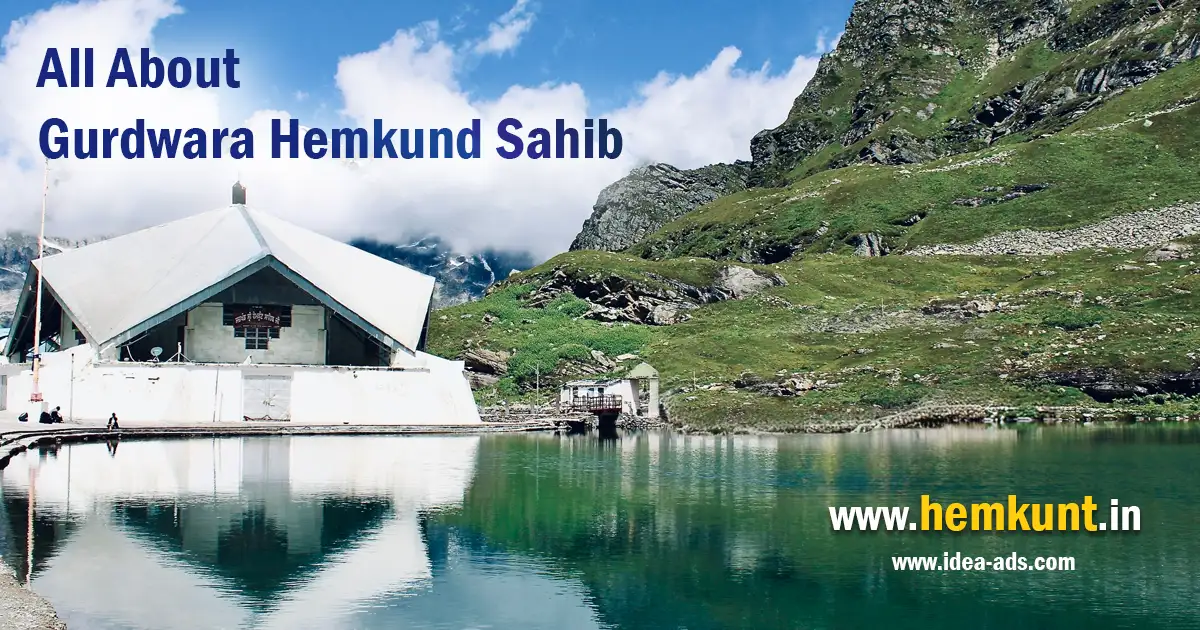
Important Safety Precautions During the Trek
Basic Trekking Safety Advice
Safe Trekking Practices for Pilgrims
Pilgrims should follow the marked trekking route and avoid shortcuts while walking through mountain terrain. The trekking path from Ghangaria to Hemkund Sahib is steep and requires careful walking especially during rainy weather.
Walking slowly and maintaining a steady pace helps conserve energy and reduces the risk of exhaustion. Pilgrims should also drink sufficient water and take short rest breaks during the climb.
Visitors should also review the detailed guide on trek preparation to understand how to prepare for trekking conditions.
Address : Ghangaria Trek Base
City : Chamoli
State : Uttarakhand
Pin : 246443
Country : India
Weather Safety in the Himalayas
Managing Sudden Weather Changes
Staying Safe During Mountain Travel
Weather conditions in the Hemkund Sahib region can change rapidly even during the official pilgrimage season. Rainfall cold winds and sudden temperature drops are common in the Himalayan environment.
Pilgrims should carry warm clothing rain protection and proper trekking shoes to stay protected in changing weather. Wearing layered clothing helps maintain body warmth during cold mountain conditions.
Visitors should also check the packing checklist to ensure they carry all essential items required for safe trekking.
Being prepared for mountain weather greatly improves safety during the Hemkund Sahib journey.
Altitude Awareness During the Trek
Understanding High Altitude Risks
Health Safety for Pilgrims
Hemkund Sahib is located at an elevation above 4300 meters which means some visitors may experience discomfort due to high altitude conditions. Walking slowly and allowing the body to adjust helps reduce the chances of altitude related problems.
Pilgrims should stay hydrated avoid overexertion and take rest if they feel tired or dizzy during the trek. Being aware of early symptoms allows visitors to respond quickly and stay safe.
Reading the guide on altitude sickness helps pilgrims understand how to prevent and manage altitude related issues.
Understanding altitude safety ensures a more comfortable trekking experience.
Responsible Trekking for a Safe Pilgrimage
Travel Tips for Pilgrims Visiting Hemkund Sahib
Completing the Trek Safely
Pilgrims should start their trek early in the morning to ensure enough time to reach Hemkund Sahib and return safely. Trekking during daylight hours improves visibility and safety on mountain trails.
Visitors should remain cautious near steep paths and avoid rushing while climbing uphill sections. Walking steadily and maintaining balance is important on mountain terrain.
Following recommended health advisory and trekking precautions ensures that the spiritual journey to Hemkund Sahib remains safe and enjoyable.
With proper awareness and responsible trekking habits pilgrims can experience the beauty and spirituality of the Himalayan journey safely.