Where Is Hemkund Sahib Located?
Hemkund Sahib is located in the Chamoli district of the Garhwal Himalayas in the Indian state of Uttarakhand. The sacred shrine sits at an impressive altitude of approximately 4,329 meters (14,200 feet) above sea level, making it one of the highest Sikh pilgrimage sites in the world. The gurudwara is built beside a serene glacial lake known as Hemkund, whose crystal-clear waters reflect the surrounding snow-covered Himalayan peaks.
The remote location of Hemkund Sahib adds to its spiritual charm and natural beauty. Pilgrims and trekkers reach the shrine after a challenging but rewarding trek from Govindghat via Ghangaria (Gobind Dham). Surrounded by towering mountains, alpine meadows, and pristine glaciers, the area offers breathtaking views and a peaceful atmosphere that attracts both devotees and nature lovers.
Due to its high altitude and harsh winter conditions, Hemkund Sahib remains accessible only during the summer months when the snow melts and the annual yatra begins. Every year thousands of pilgrims travel to this sacred destination to pay their respects and experience the unique combination of spirituality, adventure, and natural beauty found in the Himalayas.
Goto Location Page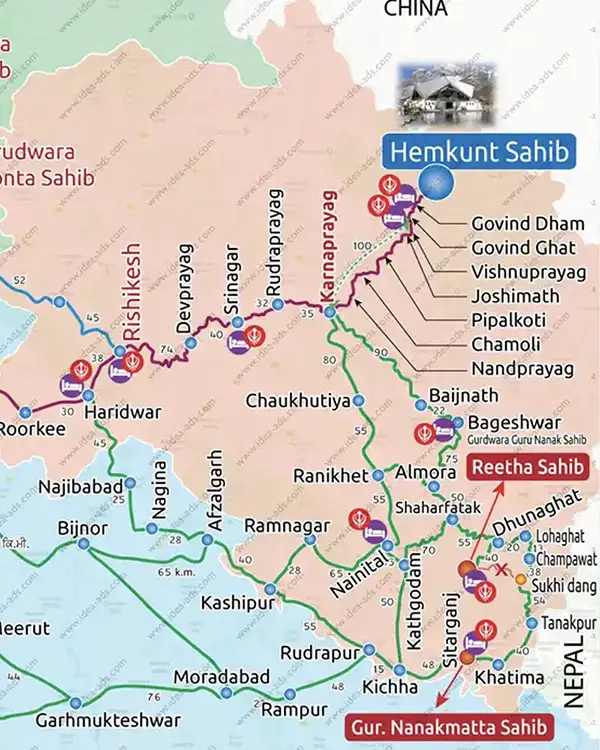
History of Gurdwara Hemkund Sahib
Hemkund Sahib holds deep spiritual significance in Sikh tradition and is closely associated with the life of Guru Gobind Singh Ji, the tenth Sikh Guru. According to Sikh belief, this sacred place is mentioned in the Dasam Granth, where Guru Gobind Singh Ji describes meditating at a serene mountain lake surrounded by seven snow-covered peaks before taking birth on earth.
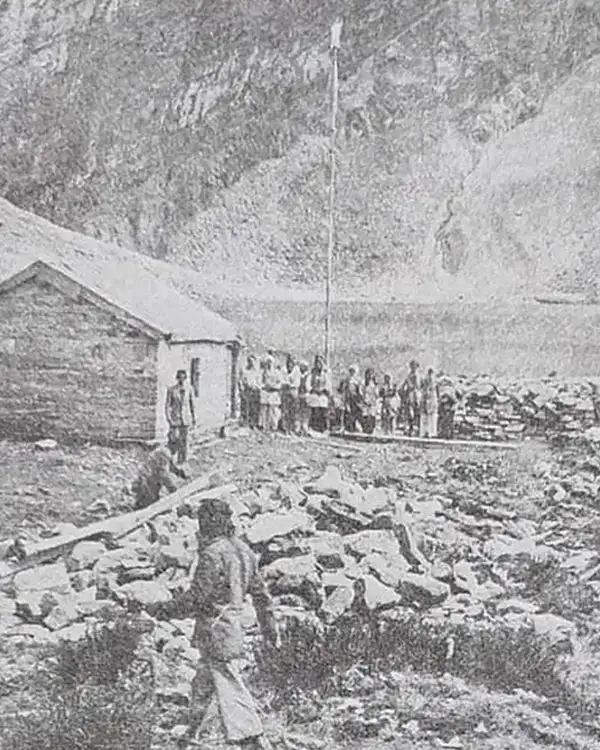
For many centuries the exact location of this holy site remained unknown. In the early twentieth century, Sikh scholars and devotees began searching for the place described in the scriptures. The location of Hemkund Sahib was identified in the 1930s by Pandit Tara Singh Narotam and later efforts by Sant Sohan Singh of Tehri helped confirm the site. After its identification, the first small shrine was established near the glacial lake.
Over time, the shrine developed into the present-day Gurdwara Hemkund Sahib, built to serve the growing number of pilgrims visiting this high-altitude sacred destination. Despite its remote Himalayan location, the gurdwara has become one of the most revered Sikh pilgrimage sites, attracting thousands of devotees every year who undertake the challenging trek to seek blessings and experience the spiritual atmosphere of this remarkable place.
Explore HistoryWhen Does the Yatra of Hemkund Sahib Start?
The Hemkund Sahib usually begins in late May or early June each year, depending on weather conditions and the melting of snow in the high Himalayan region. The official opening date is traditionally announced by the management of Gurdwara Hemkund Sahib after assessing the safety of the trekking route and the condition of the shrine.
Once the snow begins to clear and the path becomes accessible, the pilgrimage season starts with religious ceremonies and the first group of pilgrims arriving at the sacred site. The yatra continues throughout the summer and early autumn months, typically until early October, when heavy snowfall begins to return to the region.
Because Hemkund Sahib is located at an altitude of more than 4,300 meters in the Garhwal Himalayas, the shrine remains closed during the winter season. During this time, the entire area is covered with deep snow, making travel extremely difficult. For this reason, pilgrims are advised to plan their journey during the official yatra period to ensure safe and comfortable travel.
View Yatra Dates
Hemkunt Ropeway Project Updates
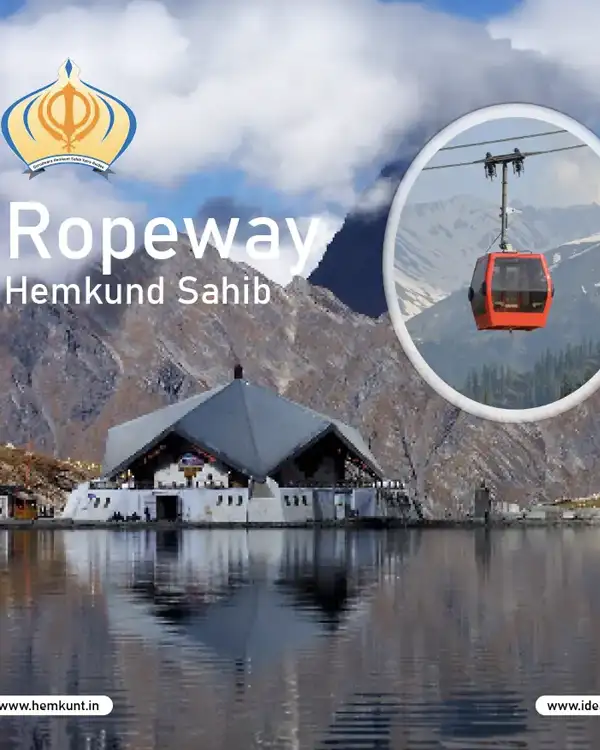
The proposed Hemkunt Ropeway Project is an ambitious infrastructure initiative designed to improve accessibility to Hemkund Sahib for pilgrims and tourists. Due to the challenging high-altitude trek from Govindghat through Ghangaria to the shrine, many devotees find the journey physically demanding. The ropeway project aims to provide a faster and more convenient travel option while maintaining the spiritual significance of the pilgrimage.
According to government proposals, the ropeway is expected to connect key points along the route to Hemkund Sahib, significantly reducing travel time and making the pilgrimage accessible to elderly devotees and those who may not be able to complete the steep trek. The project is being planned with modern technology to ensure safety and minimal environmental impact in the fragile Himalayan ecosystem.
Once completed, the Hemkunt Ropeway is expected to enhance pilgrimage infrastructure in Uttarakhand, support local tourism, and improve overall connectivity in the region. Pilgrims and travelers closely follow updates from the government and authorities regarding the progress, approvals, and expected completion timeline of this important project.
Read UpdatesGurudwaras on the Way to Hemkund Sahib
Several important Gurudwaras are located along the route to Hemkund Sahib, providing spiritual guidance, rest, and accommodation for pilgrims undertaking the sacred journey. These gurudwaras serve as key stopping points where devotees can participate in prayers, enjoy langar (community meals), and prepare themselves for the challenging trek through the Himalayas.
One of the first major stops for pilgrims is Gurudwara Gobind Ghat, located near the Alaknanda River. This place acts as the starting point of the trek toward Hemkund Sahib and offers basic facilities for travelers. From here, pilgrims proceed to Gurudwara Gobind Dham (Ghangaria), which serves as the main base camp before the final ascent to the holy shrine.
Along the broader travel route toward Hemkund Sahib, devotees also visit important gurudwaras in Rishikesh, Haridwar, and Joshimath. These sacred places provide accommodation, langar services, and spiritual support to thousands of pilgrims every year, making the journey to Hemkund Sahib both comfortable and deeply meaningful.
View Route Gurudwaras
Complete Guide to Hemkund Sahib
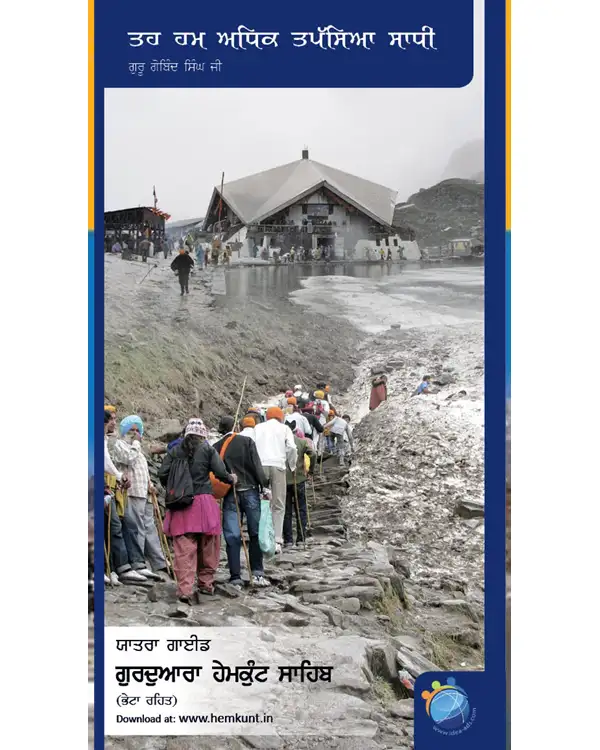
Hemkund Sahib is one of the highest Sikh pilgrimage sites in the world, located in the Garhwal Himalayas of Uttarakhand at an altitude of about 4,329 meters above sea level. Surrounded by snow-covered peaks and a pristine glacial lake, this sacred shrine attracts thousands of pilgrims and nature lovers every year who undertake the challenging yet spiritually rewarding journey to the Himalayas.
This comprehensive guide to Hemkund Sahib provides everything pilgrims and travelers need to know before planning their visit. It includes detailed information about the spiritual significance of the shrine, the history associated with Guru Gobind Singh Ji, and the importance of the site in Sikh tradition.
You will also find practical travel information such as how to reach Hemkund Sahib, the trekking route from Govindghat and Ghangaria, the best time to visit, accommodation options along the route, and essential preparation tips for high-altitude travel. Whether you are visiting for pilgrimage, trekking, or exploring the natural beauty of the Himalayas, this guide will help you plan a safe and meaningful journey.
Explore Complete GuideDistance & Route to Hemkund Sahib
The journey to Hemkund Sahib usually begins from Govindghat, a small town located on the Badrinath highway in the Chamoli district of Uttarakhand. From Govindghat, pilgrims start a scenic yet demanding trek that passes through the beautiful Himalayan valley and dense mountain forests.
The first stage of the journey is a trek of approximately 13 kilometers from Govindghat to Ghangaria (also known as Gobind Dham). Ghangaria serves as the main base camp for pilgrims and trekkers visiting both Hemkund Sahib and the nearby Valley of Flowers. From Ghangaria, pilgrims continue a steep 6-kilometer trek to reach the sacred shrine of Hemkund Sahib situated beside the glacial Hemkund Lake.
Pilgrims can reach Govindghat by road from major cities such as Haridwar, Rishikesh, Dehradun, and Srinagar in Uttarakhand. Regular buses, taxis, and private vehicles travel along the Badrinath highway to Govindghat during the yatra season. Understanding the complete route, distance between major stops, and travel options can help pilgrims plan a safe and comfortable journey to Hemkund Sahib .
View Route Details

Weather Conditions at Hemkund Sahib
Weather at Hemkund Sahib remains cold throughout the year due to its high altitude of approximately 4,329 meters in the Garhwal Himalayas of Uttarakhand. The region experiences rapidly changing mountain weather, and temperatures can drop significantly even during the daytime. Because of the altitude and surrounding snow-covered peaks, visitors should always be prepared for cold winds and sudden weather changes.
During the summer months, especially between late May and September when the yatra season is open, the weather becomes relatively pleasant during the day. Daytime temperatures usually range between 10°C and 15°C, while nights can still be quite cold. This is considered the best period for pilgrims to visit Hemkund Sahib, as the trekking route from Govindghat via Ghangaria becomes accessible after the snow melts.
In contrast, winter at Hemkund Sahib is extremely harsh. From October onward, heavy snowfall begins to cover the entire region, and temperatures fall well below freezing. The shrine remains closed during this time because the trekking route becomes completely inaccessible. Pilgrims are therefore advised to check the latest weather updates and seasonal conditions before planning their journey to Hemkund Sahib.
Check Weather Guide